
Blog

5 Best Physician Tools for Busy Doctors

Treating your patients and running your practice will keep any doctor constantly busy and give them very little free time. Luckily we live in an age where there are plenty of resources available to help you to be productive and to manage your time. These resources include apps for your phone, software and other physician tools available to you on the internet.
An app that is essential for productivity and time management is called Epocrates. This particular app has many uses. The main use for looking up drug details and drug interaction information, but there are other uses as well! It can be used to look up other doctors for referrals and can even be used to calculate patient information. This includes such things as BMI and other important information that may be required to give to the patient.
Beyond your patients, you also have to manage your practice including scheduling and payroll. Luckily, there are now programs designed to make handling both of these things much easier. One such program is called Shift Planning. The entire setup of Shift Planning is meant to make setting schedules and paying your employees both quick and easy. And, when your day is booked, these thing are greatly appreciated.
If you’re looking for more specialized help with maintaining your education, keeping up on the newest research and finding resources such as insurance for medical personnel then the American Medical Association website is where you will want to turn. Their website has sections for each of these topics and much more!
Have you ever just wanted to connect to other physicians? Knowing that the person you are speaking with may have dealt with the situation you are dealing with is a valuable resource. Luckily, the doc2doc Forums exists and provide exactly that form of service. This tool is an excellent way to create new connections and network with others who do the same type of work that you do.
Sometimes you need specific information about other providers. An excellent resource if you need a National Provider Identifier (NPI) number is the NPPES NPI Registry. This registry allows you to quickly search a database to locate these numbers as you need them.
Whatever you are trying to accomplish with your practice, there are physician tools available for you. You just have to know where to look find them and decide which tools would be the most beneficial to you.
—
Do you want a visual guide so that you can remember these resources? We’ve generated one just for you!



4 Interesting Physician Blogs to Watch

Many physicians have discovered the joys of blogging – both those who write them and the followers who find them useful to their daily practices. They are a great way to build a healthcare community on a variety of topics – primary care, oncology, parenting, and even life after a medical career. We’ve rounded up just four of our favorite physician blogs that we think you’ll enjoy reading and following. They contain great writing and present interesting points of view sure to spark discussion.
KevinMD
Physician Kevin Pho has one of the most well-liked and respected physician blogs on the Internet today. The popular site, KevinMD, is sponsored by Medpage Today, and his blog entitled “Kevin’s Take” contains opinionated views on everything from antibiotics to establishing an on-line presence. Dubbed “social media’s leading physician voice,” Dr. Pho offers a lively forum for health professionals and patients to express their insights, issues and concerns, including the often taboo subject of physician burnout. All are welcome to share their voice and talk about their own struggles and views.
Mothers in Medicine
Told from the perspective of motherhood, this blog speaks to anyone who struggles with a work-life balance. Mothers in Medicine is a group blog that offers insightful posts on the challenges and rewards of caring for one’s patients and family at the same time. The contributing doctors also respond to medical questions submitted by blog followers seeking advice on diverse topics including taking the pathology boards and motherhood. A similar site, MomMD, boasts a community of over 1 million, with 11,000 plus active members. The goal here is to encourage and support women physicians, residents, medical students and nurses in their careers and everyday lives.
db’s Medical Rants
Dr. Robert Centor is an academic general internist at the University of Alabama School of Medicine who also serves as associate dean for the university’s Huntsville Regional Medical Campus. Passionate followers know that the “db” stands for both Dr. Bob and “da boss.” db’s Medical Rants is a blog that is unafraid to tell it like it is, and the site’s legions of fans appreciate its refreshing take on “quality reporting,” internal medicine, the American healthcare system, and medical education. Dr. Centor believes that patient characteristics make a huge difference in how they should be treated and many of his short essays address this topic. The site is updated several times per week, which ensures the information it contains is new and fresh.
Medinnovation
Run by pathologist, editor, author, and speaker Dr. Richard Reece, Medinnovation bills itself as the blog where health reform, medical innovation, and physician practices meet. Dr. Reece strongly believes in the importance of controlling and improving health destinies through innovation. He also covers hot healthcare topics such as HMOs, Medicare Reform, and the Affordable Care Act. Whether they agree with his point of view or not, Dr. Reece is one of the best physician blogs for giving its readers plenty of information and opinion to keep the conversation lively.
—
Elliot Health System strives to provide useful information to physicians via our blog. Make sure to subscribe and choose your frequency so that you are the among the first to read our articles.


3 Incredible Doctors to Follow on Twitter

Social media is now prevalent in almost every industry, and the healthcare sector is no different. Every minute, people take to Twitter to post amazing ideas, information, and strategies for those that work in healthcare. The only problem is, in this vast sea of voices, which ones stand out and offer the most valuable information? The following are three of the top doctors to follow on Twitter who post can’t miss information regularly.
1. Kevin Pho, M.D. – @KevinMD
Dr. Pho has been a social media guru now for over a decade, and is considered one of the top healthcare influencers on Twitter. He joined the social media platform in 2007, and has amassed more than 140,000 followers. Playing the role on Twitter of one of social media’s leading voices for physicians, Dr. Kevin is also an author, keynote speaker, and is on USA Today’s Board of Contributors.
The Nashua, NH physician got his start on social media with his extremely popular blog KevinMD, where he shares stories and insights from many people who intersect with our healthcare system. Founded in 2004, over 2,000 people in the industry have contributed to the site, and it’s been raved about in reviews from such reputable sources as the Wall Street Journal, Forbes, and CNN.
2. Michael Gibson, MD – @CMichaelGibson
With over 219,000 followers, Dr. Gibson is a shining star in the community way beyond social media. He’s the founder and Chairman of wikidoc.org (otherwise known as “the living textbook of medicine”) and is responsible for creating a free encyclopedia online of medical information. Dr. Gibson joined Twitter in 2012, and has been posting frequently ever since. From biotechnology, to information on new drugs, his Twitter feed is a treasure trove of modern medical data.
Dr. Gibson is also a Professor of Medicine at Harvard Medical School, and currently works as an interventional cardiologist in Boston, MA. He has also served as the medical lead in a partnership with Microsoft, Google, and Yahoo to help design classifying medical content for schema.org. In addition, Dr. Gibson has given countless radio and television interviews that are available online. In other words, he’s a very easy man to find.
3. Akram Boutros, MD – @Akram_Boutros
Dr. Boutros practices in Cleveland, OH and joined Twitter in 2009. He is the President and Chief Executive Officer for the MetroHealth System, where their mission is defined as: “Leading the way to a healthier you and a healthier community through service, teaching, discovery and teamwork.” In 2014, he was named as one of the “most interesting people,” by Cleveland Magazine, and is known for his positive rapport with the entire staff at MetroHealth.
Dr. Boutros has almost 3,000 followers and Tweets on a daily basis, with subjects that include: the healthcare system, mental illness, and anything related to the field of medicine. The Egyptian-born physician had always dreamed about being a doctor, and admits to seeing every interaction as a chance for encouragement (so you know he gives great advice)!
Overall, the people that you choose to follow in the medical industry can greatly impact your stream of information. Why fill up your news feed with fluff when you can use it as a brief learning opportunity?
Finding these physicians online takes no time at all, and all three are amazing doctors to follow on Twitter. These doctors are pillars in both their online and offline communities, and it’s no mystery as to why. Engaging with Dr. Pho, Dr. Gibson, and Dr. Boutros can only help to elevate you in your own position, and further your knowledge in the industry.
—
Want to follow Elliot Health System on Twitter? Click the button below.


Top PANRE Exam Tips for Physician Assistants

Physician Assistants, you should plan for the day of the PANRE exam as if you are going on a vacation. These PANRE exam tips will help you prepare for your testing day like a pro.
* Have a backup plan if a babysitter is needed.
* Check your mode of transportation to make sure you will arrive at the destination on time.
* Pack your lunch, snacks, and daily medications the night before the exam.
* Review the practice test you purchased and passed the day before the exam.
Here are a few PANRE exam tips that can save you time and money.
Arriving Early For The Exam
* The recommendation is to arrive 30 minutes before the scheduled exam at the test center.
* Showing up late is not an option. You don’t want to pay out more money and re-apply because you were late.
You Must Prove Who You Are
There is a mandatory list of procedures that you have to follow in order to take the exam. For instance, you must list your name exactly as it is spelled on your personal identification on the test too.
* You must have a clear picture ID that looks like you.
* Your name must be signed and printed on another ID.
Please keep in mind that you must undergo certain registration procedures such as:
* Your fingerprints will be scanned and documented.
* You must have your picture taken.
Personal Lockers Are Mandatory
According to the NCCPA, “No personal belongings (i.e., brimmed hats, bookbags, handbags, books, notes, study materials, calculators, watches of any kind, electronic paging devices, recording or filming devices, radios, cellular phones, outerwear, or food and beverages) are allowed in the testing room, but you’ll be assigned a locker to store them in. Upon reasonable suspicion, personal belongings and their contents may be subject to inspection. Any materials that are, or reasonably appear to be, a reproduction of any NCCPA examination materials will be confiscated.”
The PANRE Test
You will be given a chance to take the practice test for 15 minutes before the initial exam begins.
* You will become familiar with how to sign in, select and change your answers on their computers.
* The exam is four hours in length.
* There are four parts to the exam with a total of 240 questions that are multiple choice.
* You are given sixty minutes to read and answer the sixty questions.
* The test will automatically shut down in sixty minutes.
The Test Penalties
The following PANRE exam tips will help you to avoid costly mistakes.
* Take note of the time on your test monitor as well as when your 15-minute breaks begin and end. (Extra minutes will be deducted from your next session.)
* You’re not allowed to sign back in, so if you have extra time make sure to check the answers that gave you a bit of trouble or were left blank.
If you follow these PANRE exam tips, you should be fully prepared to pass with flying colors!
—
Physician Assistants, Did you just pass your PANRE exam? Consider the options Elliot Health System could offer you.


Pediatric Certification Requirements – What You Need to Know

Becoming board certified will demonstrate your commitment as a physician, to continually expand your knowledge and expertise in your chosen specialty. Certification involves a formidable process of testing, as well as evaluation by your peers in pediatrics. Before you are eligible to become a board certified pediatrician, the following pediatric certification requirements must be satisfied.
- You must graduate from a medical school that is accredited in the United States, Canada or a World Health Organization recognized foreign medical school.
- Three years of residency training in pediatrics must be completed and verified.
- You must have an unrestricted state medical license.
Each of these requirements will be source verified and confirmed by the certification board of the American Board of Pediatrics. Your program director plays an important role in your application process by giving his or her assurance that you meet the standards that are expected of a board certified pediatrician.
Once the application is completed and all documentation and recommendations have been received, applications are thoroughly evaluated before a physician will be allowed to take the exam. When these conditions have been met and your application has been approved, you will be able to sit for the board certification exam.
What is board certification?
Board certification is a voluntary process. Once you finish your residency, you have a certain length of time to pass the certification exam. Applications (available online) to take the pediatric board certification exam are accepted only during specified registration periods. Registration fees must accompany your application.
The test is usually offered only once per year – in the fall. It is a one day test and includes four sessions with optional breaks between each section. The exam consists of multiple-choice questions – with a single best answer. The exam is seven hours in length. Check out the online tutorial available through the American Board of Pediatrics website.
The pediatric board certification exams are copyrighted and held at secure, computer testing center locations – they are proctored by professionals.
You are encouraged to use study materials that are directed towards the pediatric board certification exam, however they are not through American Academy of Pediatrics.
How the test is scored?
The exam score is based on how many questions you answer correctly. No points are deducted for incorrect answers. The test scale ranges from 1 to 300 – with 180 the passing score. The score is scaled for reporting purposes, there are many versions of the exam.
How long is the wait for results?
Your exam score will be posted on your online portfolio within approximately 60 days following your test. You can expect your long awaited certificate to be mailed to you in approximately four months.
—
Did you just pass your exam? Consider the opportunities Elliot Health System has to offer.

Nurse Practitioner Certification 101

It’s time to heave a big sigh of relief that you are almost done with your Nurse Practitioner program! You should be very proud that you have completed (or almost completed) this challenging degree. Even though you have that demanding goal completed, you need to think about the certification exam. Once that’s behind you, you really will feel like you can take a deep breath. But – first things first.
Nurse Practitioner Certification
In order for you to practice in your chosen field as a Nurse Practitioner, you must take the certification examination that is in conjunction with the American Academy of Nurse Practitioners. The Nurse Practitioner exams are based on objectives that allow the Academy to measure the skills and knowledge that is required of Nurse Practitioners. They are based on competencies developed during the NP program.
Specialties within the realm of a practicing Nurse Practitioner include:
- Adult Nurse Practitioner
- Family Nurse Practitioner
- Adult-Gerontology Primary Care Nurse Practitioner
*Note: As of December 2016, the Adult Nurse Practitioner exam will no longer be offered.
Once you have successfully completed the didactic and clinical program, you will be qualified to sit for the nurse practitioner certification exam. You are able to begin the application process six months before you graduate from your nurse practitioner program.
Application process
You must apply to take the nurse practitioner certification exam. First, register online – and complete the application. Once the application is complete and you have gathered all of the documents required, the application can be faxed, mailed or emailed. You will receive a letter of acceptance when your application is approved. When your application has been processed and accepted, you will be able to schedule when and where you will take the test.
Following submission and acceptance of your application, you will have a 120 day window to take the exam – these dates will be explained to you in your acceptance letter.
Practice tests
Along with your traditional methods of studying for the exam, practice exams are available for you to purchase. They are useful tools for you to prepare for the nurse practitioner certification exam. By using practice exams, you will be able to become familiar with the format of the test questions on the certification exam. Each practice test can be used only once, but additional practice exams are available for purchase multiple times.
What the exam will look like
The Nurse Practitioner certification exam consists of 150 multiple choice questions. This includes 15 questions that are actually ‘pretest’ questions that do not count in your certification exam score.
At the time you finish your test, you will notice a ‘preliminary pass or not pass’ on your computer screen. If you have successfully passed the test, you will receive a letter containing your exam score – as well as your certificate within three weeks of taking the test. If you do not pass the exam you are able to sit for the exam twice during a calendar year.
Once the nurse practitioner certification exam is behind you, you will be able to begin your new advanced career. Successful completion of the Nurse Practitioner certification exam shows that all of your hard work has paid off and you are on your way to a rewarding and enjoyable new beginning.
—
Are you looking for the right opportunity to pursue after passing your exam? Consider Elliot Health System!

Everything You Need to Know About the MC-FP Exam

The American Board of Family Medicine requires physicians to take the MC-FP Exam to be recertified or for your initial certification. The family medicine board certification requirements can be made into a checklist for your medical license that must be unrestricted to practice in Canada or the United States. The compliance documents for the physician’s professional role and their license to practice medicine are documents that must be submitted.
In order to be ready, you should prepare in advance for an all-day affair of sitting and answering questions on a computer.
The MC-FP Examination
* No score will be given on the 20 field questions.
* Section 1 is two hours with 120 multiple choice questions.
* A 15-minute break is allowed.
* Section 2 and 3 are Module exams and both are 45 minutes in length with multiple choice questions.
* The 70-minute break is allowed.
You should take the break because a few deep breaths, getting something cool to drink and let your brain relax with re-energize the mind.
* Section 4 consists of 80 multiple choice questions and is 95 minutes in length.
* The break time is 15 minutes.
* Section 5 has 80 multiple choice questions and is 95 minutes in length.
Be careful when you select a module. It cannot be changed after it has been confirmed. When the exam has reached its time limit that exam has ended. If you fail, you have to remain qualified to retake the exam. There is no limit on how many times you can retake the exam.
The family medicine board certification requirements have a list of every type of physical malady you will come in contact with during your practice.
The Self Assessment Module Requirements
* The Part II module earns 15 points.
* Completing 3 modules will give you the 50 points required.
* The Knowledge Assessment and a Clinical Simulation has 60 questions.
*The required credits of Continuing Medical Education or CME
Part II Module
* Knowledge Assessment and a Clinical Simulation with 60 questions on a selected topic. You have to answer 80% of the questions correctly and then the module must be completed within a year.
Part II Alternative Modules that can be completed to count toward the 50 points.
* Patient Centered Medical Home 10 points
* Health Literacy Module 10 points
Part III
* You passed the MC-FP examination.
Part IV Modules
* Performance in Practice or PPM
* Methods in Medicine Module or MIMM is for physicians who don’t participate with “hands on” patient care or work in the administrative capacity.
The Part IV module needs one part of each stage to be completed successfully. Part IV alternative modules that can be completed to count toward the 50 points.
MC-FP Entry Fees For The Modules
* Payment is due at the start of each module.
* The modules that are completed before starting the Entry Cycle Process will be forfeited.
* Part II modules must be completed within one year. Incomplete modules can be rescheduled or a different module can be chosen.
* Fees for modules not taken will be refunded.
* You will receive 15 CME credits for completing each module.
The family medicine board certification requirements apply to physicians in the military, the Coast Guard, Police departments, private practice and agencies that employ a doctor.
Congratulations! You have taken the Maintenance of Certification Program for Family Physicians or MC-FP exam and maintained your license to practice medicine.
—
Are you seeking the perfect place to practice medicine now that you have passed your MC-FP? Consider the opportunities Elliot Health System has to offer.

New Hampshire APRN Loan Repayment Strategies

Let’s face it. It’s hard work reaching the status of APRN; and paying off the debt you’ve racked up in order to reach that status can amount to even more of a challenge than the toughest clinicals in your academic career.
But, this isn’t a hopeless challenge. In fact, there programs in place that can help with your APRN loan repayment strategies. One such program is the New Hampshire State Loan Repayment Program (SLRP). Certain areas of New Hampshire are in dire need of medical professionals of all types, including APRNs, so they are more than happy to help you with paying off your loan—if you can meet the requirements.
What Is The New Hampshire SLRP?
Basically, there is a shortage of health professionals throughout the state of New Hampshire. The Division of Public Health Services (DPHS) and Rural Health & Primary Care Section (RHPC) instituted the New Hampshire SLRP in order to remedy this shortage by providing loan repayment to medical professionals working in areas affected by this shortage.
These underserved areas include:
- Medically Underserved Areas/Populations (MUA/Ps)
- Health Care Professional Shortage Areas (HPSAs)
- Governor’s Exceptional Medically Underserved Populations (E-MUP)
- Dental Health Professional Shortage Areas (DHPSAs)
- Mental Health Professional Shortage Areas (MHPSAs)
- Facilities/organizations funded by HHS programs
What Are The Requirements For Your Practice?
Practices participating in SLRP:
- Agree to provide care to all patients, regardless of ability to pay
- Agree to have a sliding-fee schedule in place based on federal poverty guidelines
- Must accept both Medicaid and Medicare
- Must provide free care if medically necessary
What Are Your Service Requirements?
If you choose to participate in SLRP, you’d better plan on staying awhile. In order to be eligible for APRN Student Loan Repayment, there is a minimum service requirement of thirty-six months—if you opt for full time service. If you choose part time service, the requirement is twenty-four months.
How Is Eligibility Determined?
Eligible applicants must:
- Be US Citizens
- Be without any unserved obligations for service to any other agency, whether governmental or non-governmental
- Not be involved in any other loan repayment program
- Be licensed in the State of New Hampshire
- Be able to begin full- or part-time clinical service once a contract has been signed
Which Professionals Qualify For New Hampshire SLRP?
There are three tiers of medical professionals who can receive SLRP under this program. APRNs fall under tier 2. Eligible APRN positions include:
- Nurse Practitioners (NPs)
- Certified Nurse Midwives (NMs)
- Primary Care Physician Assistants (PAs)
- Psychiatric Nurse Specialists (PNSs)
RNs and LPNs are not eligible for funding.
How Much Can You Expect Your APRN Student Loan Repayment To Be?
The amount of your APRN student loan repayment depends on whether you choose to serve full time or part time. Full time APRN participants should expect to get paid back $45,000—but if they choose to work beyond the minimum service obligation (36 months) there is an opportunity for an extension. They may receive an additional $20,000 in exchange for 24 additional months of service.
Part time APRN participants can expect $17,500 if they do the minimum service obligation of 24 months, with an opportunity for a 12-month extension, which will result in an additional $5,000.
What Is The Funding Match?
If either an eligible practice site or, optionally, the community in which you plan to practice can provide you with a one-to-one funding match for each state dollar in your SLRP contract, your application will be considered first.
What Are The Yearly Application Deadlines?
- March 15 (July 1 start)
- June 15 (October 1 start)
- September 15 (January 1 start)
- December 15 (April 1 start)
For a complete description of the program and for more information visit: http://www.dhhs.nh.gov/dphs/bchs/rhpc/repayment.htm
***Disclaimer: This article is for publication purposes only. EHS is not responsible for the accuracy of the program details and eligibility are at the state of New Hampshire’s discretion. Readers are encouraged to visit the website above for more information and to see if you are eligible.
—
Ready to start your APRN career? Why not take a peek at what Elliot Health System has to offer?
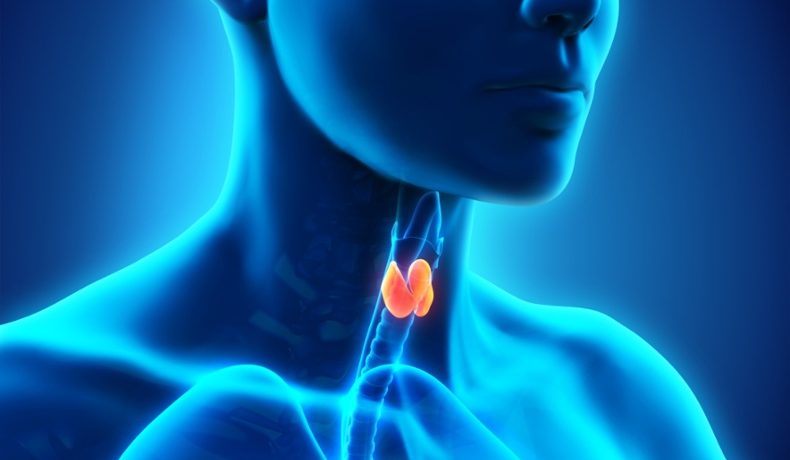
Everything You Need to Know About Endocrinologist Certification

To start, what exactly does an Endocrinologist do?
An endocrinologist is a specialist of internal medicine. Their focus is in understanding our bodily response to hormones (or a lack thereof). These specialists investigate patient ailments to see if they are due to hormonal imbalances and they treat deficiencies as needed. Endocrinologists may work with people suffering from obesity and nutritional disorders, diabetes, bone and calcium disorders, hyperthyroidism, pituitary disorders, reproductive and gonadal problems, cholesterol issues and certain cancers of the endocrine glands.
How do I become an Endocrinologist?
Well…it’s not a hop, skip and a jump. Or really it is, but with a few extra hops and skips. Let’s take a look at the endocrinologist certification requirements, shall we?
- Complete a Bachelor’s Degree
Seems obvious right? It’s a good idea to major in a science-related field so that you have the necessary background. Also, medical school can be highly competitive so take advantage of any volunteer opportunities to help build your student resume- and to help get you experience in the field of endocrinology!
- Complete a Doctorate of Medicine or a Doctorate of Osteopathy
As you might expect, one of the most basic steps to finishing the endocrinologist certification requirements will be to finish medical school. Keep in mind, medical school is only step two so you can’t start slacking just yet. Make sure to keep those grades up and get as much hands-on experience as possible.
- Pass the United States Medical Licensing Exams
Because, well, of course you’ll need to become licensed to practice endocrinology (and anything else for that matter). This exam basically tells the world that you paid attention in medical school. While you will need to prepare, keep in mind the purpose is to make sure you know your stuff so if you study well during the entire medical school process, the contents of the test shouldn’t be too much of a shock.
- Complete a Residency in Internal Medicine
Before you can delve into the specialization of endocrinology, you’ll need to be sure you’ve got a firm understanding of internal medicine. A residency gives you excellent, hands on experience. Again, volunteer whenever opportunities arise to study the endocrine system and its functions in the real world.
- Become Board Certified in Internal Medicine
Hooray! Another certification exam! You’re over halfway through the endocrinologist certification requirements.
- Complete a Fellowship in Endocrinology
Alright by this point, you know you want to be an endocrinologist. Since you’ve already completed time in internal medicine, you should have gotten some great exposure to the field. Now you get to do even more with those endocrine glands!
- Pass Your Certification in Endocrinology
You’ve made it to the very end and completed all of the endocrinologist certification requirements except one- the test. Once you’ve passed, pat yourself on the back because man are you specialized!
- You’re an Endocrinologist!
Congratulations! You’ve made it through long hours and hard exams, but you’ve also proven yourself as an amazing doctor and specialist. Now get ready to start reaping the rewards of all your hard work- you earned it!
—
Now chances are you are out looking for the perfect job, so why not check out what Elliot Health System has to offer.

What Information Should Be Included in a Physician CV?

The search for employment as a physician may seem like it requires as much patience and dedication as your initial medical training. Your curriculum vitae, or CV, is the most powerful instrument you have in your employment search. A physician CV gives a potential employer a detailed summary of your education, experience, and qualifications, along with relevant personal information that you decide to share. The following information presents a brief guide to the physician CV and what you should include in this critical document.
Contact Information
Include your full name, plus your mailing address, telephone number, cell phone and fax numbers, and email address. This can also be an appropriate place to list your personal website address or a LinkedIn profile page.
You can list both personal addresses and professional addresses in this section, such as your address at a professional office, clinic, or hospital. Indicate clearly which address is which. If any of these addresses are temporary, also indicate this information.
Educational Background
List your complete educational background, starting with your undergraduate degree, any graduate degrees, and your medical degree. Include the complete name and address of the colleges, universities, or medical schools you attended, along with information on major courses of study and degrees attained.
This is also a place where you can list any academic honors you earned, including memberships in any academic honor societies.
Internships, Residencies, and Fellowships
Include details on all internships, residencies, and fellowships you completed. Provide the name of the organization or medical establishment where you were an intern, resident, or fellow, including full contact information for the organization. Include information on your medical specialty, any leadership roles you assumed, and notable accomplishments you made during your training.
Licensure and Certification Information
Provide a list of your medical licensure, with information on specialties, along with board certifications or any other credentials you hold. It is not necessary to include license numbers with this information.
Professional Experience
Your physician CV should include a detailed list of your professional experience in the medical field or related area, such as medical research or administrative positions. It’s usually better to highlight professional experience that is related to the type of position you’re seeking. For example, if you are looking to join a hospital or an active practice, highlight previous positions that involved direct patient contact and care. A separate section dealing with experience related to the position you’re after, along with another section describing other medical positions, could be effective.
Part-time positions should be listed separately from full-time positions.
Experience should be listed in reverse chronological order with the most recent position first, then the next most recent, and so on.
Include information such as position held, organization name and address, dates of employment, and a description of your duties. Provide as much quantifiable information as possible, such as the number of patients under your care, the number of residents or staff members you supervised, and so on. Note any relevant achievements you were responsible for in these positions.
Publications and Presentations
Include lists of professional publications, including bibliographic citations such as the name of the periodical where the publication occurred, date of publication, and page number (if relevant). For presentations and lectures, include the title and subject of presentation, where the presentation was made, and the organization or event that hosted the presentation.
Professional Affiliations
Provide a list of professional affiliations, such as medical organizations, industry associations, or other relevant memberships.
Professional References
Provide a list of professional references with names, positions, addresses, telephone numbers, email addresses, and relationship to you in your professional position.
—
Is your CV ready? Check out what Elliot Health System has to offer you!
Elliot Health System
Elliot Health System is a 296 bed hospital in Manchester, NH. With 12,831 admissions in 2017, Elliot is the busiest community hospital in New Hampshire. Our physicians performed over 111,000 ER and Urgent Care visits, 1,891 deliveries, 8,300 surgical visits and over 390,000 out-patient visits.
Elliot Health System
One Elliot Way
Manchester, NH 03103
Recent Comments